New Zealand Historic Places Trust Pouhere Taonga
 

Click to browse New Zealand's historic sites


Canterbury Heritage Sites

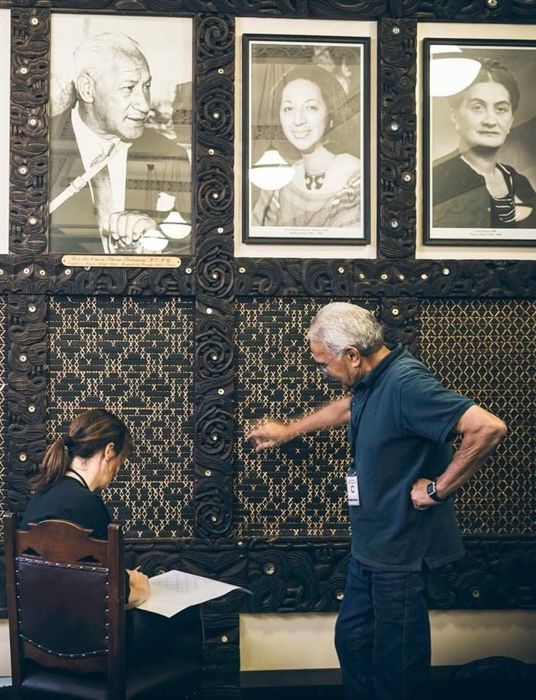
Frenchman’s Gully Maori Rock Art Site
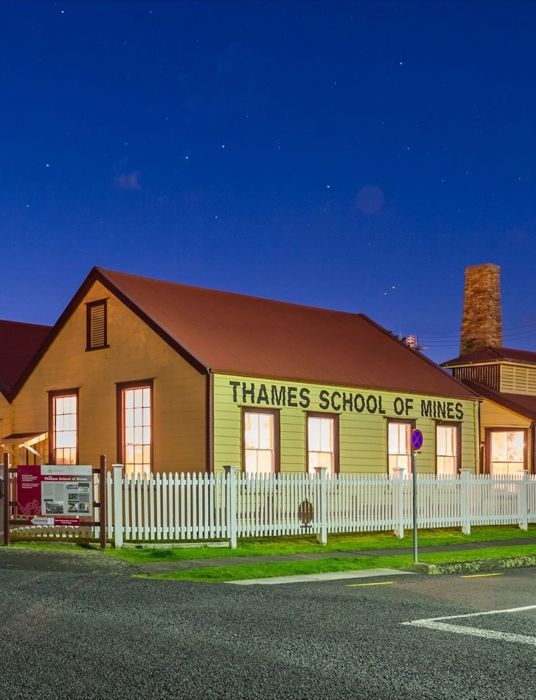
Timeball Station

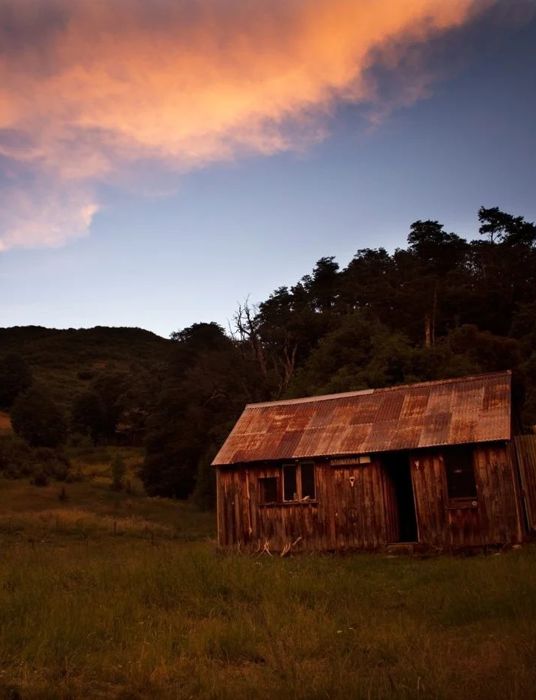
Coton's Cottage

The region of Canterbury consists of four distinct districts; North Canterbury, Mid Canterbury, the city of Christchurch, and South Canterbury. Each region has dramatically contrasting scenery, with the jagged peaks of the magnificent Southern Alps rising sharply from the vast flat expanse of the Canterbury plains.

Banks Peninsula was the scene of earliest European interest in Canterbury. It drew flax traders in the 1820’s, whalers in the 1830’s and a party of French settlers in 1840. The Peninsula itself has many sites and buildings of historic interest.

The site of Christchurch, now the largest city in the South Island, was swampy in pre-European times, when small Maori settlements dotted the area. The city was founded in 1850 when a body of European settlers arrived in the first four of many immigrant ships. Earliest Christchurch was wooden, but it is renowned today for its nineteenth century stone Gothic buildings. The city is described by many as "the most English city outside England"

Canterbury is dotted throughout with grand homesteads, fine churches and the evidence of early industry, and traces of Maori presence can also be seen.


Frenchman’s Gully Maori Rock Art Site

South Canterbury

Off State Highway 1 south of Pareora onto the Pareora River Road, then left onto Craigmore Valley Road, then left again onto Frenchman’s Gully Road
 

The smooth walls of limestone outcrops in South Canterbury and North Otago provided an ideal canvas for early Maori. Although over two hundred years old, many of the rock drawings in the gully have survived the elements and can be clearly seen. Visible at this site are birdmen and fish drawings.

Open during daylight hours
 
Frenchman's Gully Maori Rock Art Site
Click to Zoom


^ Back to Top

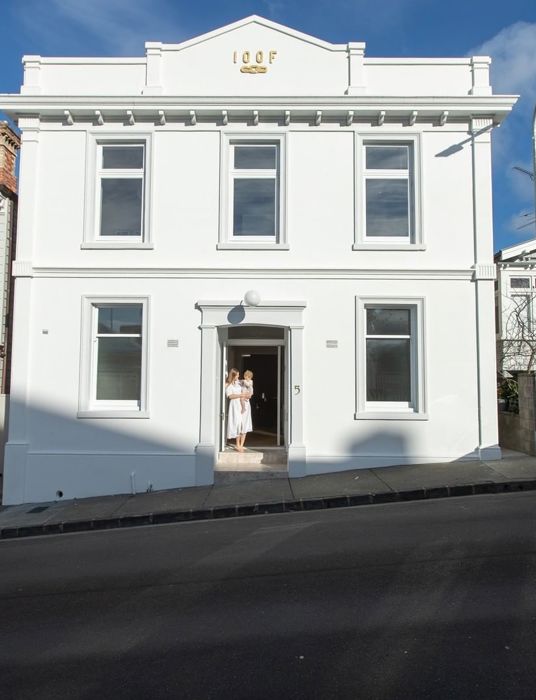
Timeball Station (1876)

2 Reserve Terrace, Lyttelton, Canterbury


Like a Scottish castle dominating the scenic port of Lyttelton, the Timeball Station is one of the few of its kind left in the world.

From 1876 to 1934 a ball dropped from its mast on its stone tower, signalling the time to ships in Lyttelton Harbour. Visual time signals were important features of many of the world's ports, being necessary to correct ships' chronometers and ensure accurate navigation. The timeball apparatus came from the well-known German firm Siemens Bros, and the astronomical clock from Edward Dent & Co. of London, who had made the Big Ben clock. Use of the timeball was discontinued in 1934 when it was replaced by radio signals, though flag signals continued until 1941. The flags, which predated the Timeball Station, were used on the flagstaff nearby to signal to ships and to communicate shipping advice to the town.

A fine example of Victorian technology, the Timeball Station is today one of only five in the world known to be still in working order.

Open: Daily 10.00am - 5.30pm
Closed Christmas Day and Good Friday
Find out more about the Timeball Station
tel: (03) 328-7311
fax: (03) 328-9116
email: timeball@historic.org.nz
 
Timeball Station
Click to Zoom


360° Views

View 360° mini-tours around the Timeball Station:

Flags
Rooftop
Kitchen


^ Back to Top

Coton's Cottage

Cotons Road, Hororata


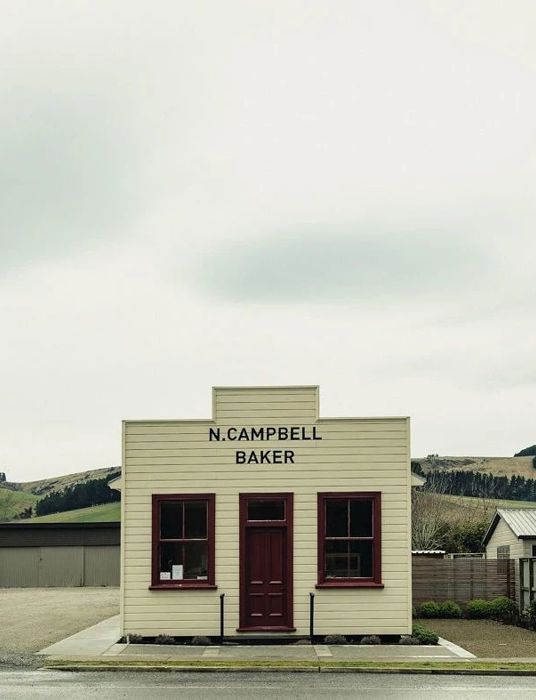
In 1864 Bentley Coton and his wife bought 50 acres of land at Hororata on the Canterbury Plains. Coton built a small cob cottage that originally consisted of five rooms including an attic bedroom.

The property was susequently purchased by the Oliver family in 1927 and it remained in the family until the 1970's. The cottage was uninhabited throughout this time, and gradually fell into disrepair.

In 1971, the owners offered the cottage and a quarter acre of surrounding land to the government as a reserve. Coton's Cottage became a historic reserve three years later, and the day-to-day management of the reserve was transferred to the Hororata Historical Society. The Society largely rebuilt the cottage in 1977, re-using many of the original materials. Subsequently, the Society moved a second building onto the property as the local museum.

The Cottage, furnished from the Hororata Historical Society's collection, is an example of a typical 19th century dwelling on a small Canterbury holding.

Open: Sunday afternoons except June-August.
At other times by arrangement with the Secretary, tel (03) 318 6876
 
Coton's Cottage
Click to Zoom


^ Back to Top


Staging Drama in Churches

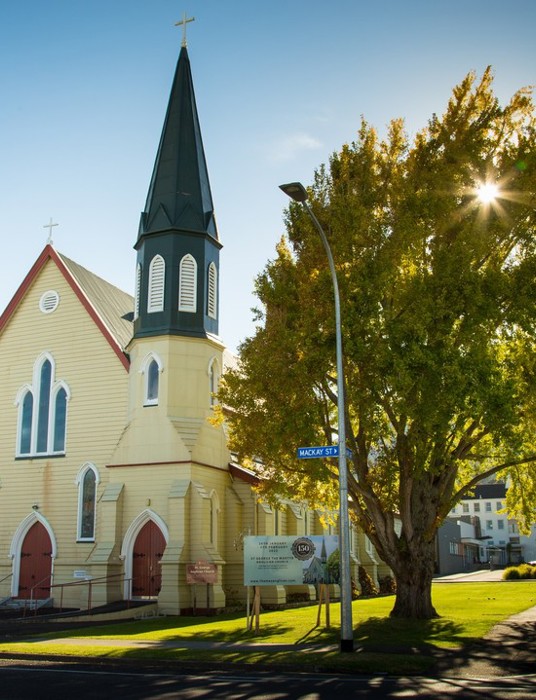
Using historic buildings for drama emphasises their worth as heritage buildings and provides an unconscious exercise in heritage education at the same time. Three Canterbury churches have been used to great effect in this less orthodox manner.

For casts and audiences, the atmosphere generated by the architecture has added a vital dimension in their experience.

>> Read More


Other Historic Sites

The New Zealand Department of Conservation, Te Papa Atawhai also manages a number of heritage sites throughout New Zealand.


HERITAGE TRAILS
 

Silent Stronghold

Kaiapoi Pa was the firstgerat site established after Ngai Tahu migrated from the North Island. Built in about 1700 by Moki for his brother Turakautahi, who led that migration, it became the tribe’s largest and most important stronghold, being headquarters of the tribe’s leading chiefs and having a population of more than 1000 by the time of recorded history.

>> Read more


Heritage Homes Tour (Christchurch)

Step inside three Christchurch homes of different styles ranging from old to contemporary. With a guide from the NZ Historic Places Trust, meet local homeowners and discover more about Christchurch's colourful history.
Read more

Arts Centre of Christchurch

Once the site of the University of Canterbury, these distinctive Gothic Revival Buildings are a dynamic venue for arts, crafts and entertainment.
Read more

Dame Ngaio Marsh's house (Christchurch)

The house where Dame Ngaio Marsh lived for 77 years is open to visitors. Gain an understanding of her life and work as well as a captivating insight into the private world of this world-renowned crime fiction writer and eminent Shakespearian producer.
Read more
Registered as a Category I Historic Place - see listing.

Historic Akaroa

Akaroa is the site of the only French settlement in New Zealand. It is ringed by the hills of Banks Peninsula, and set at the edge of a stunning sheltered natural harbour, just an hour's drive from Christchurch.
Read more

Burkes Pass Heritage Trust

The Burkes Pass Heritage Trust was established to save and preserve St Patrick's Church, one of New Zealand's oldest union churches. This Trust has also begun work on a heritage trail through Burkes Pass which provides an insight into the village's rich history.
Read more


Contact Us | Helpful Tips

©2001 New Zealand Historic Places Trust Pouhere Taonga
Support the Trust by calling
+64 4 472-4341