The
Bay of Islands in Northland is known not only for its beauty and climate, but
also as one of New Zealands most significant historic areas, having supported
one of the countrys largest Maori populations. The area was the scene of
early contact and conflict between the Maori people and European settlers, who
began arriving in the late eighteenth century.
One of the most important
historical events to occur was in 1840, when the Treaty of Waitangi was signed
by the Maori and European people. Copies of this document can be viewed at Waitangi
today.
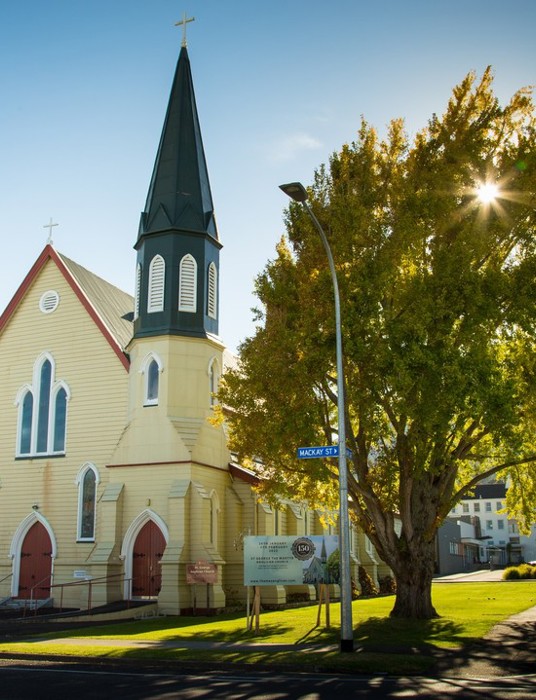
The history of the Northland region gives character to its landscape.
Quaint white churches, grand old homesteads, tiny wooden cottages, pa sites carved
into mountain tops and peninsula headlands are all poignant reminders of a fascinating
past.
The Historic Places Trust properties in this area include some of
New Zealands earliest surviving European buildings.
Clendon House (circa 1860)
Clendon Esplanade,
Rawene
Built in the 1860s, Clendon was built by one of New
Zealands earliest traders and shipowners. James Reddy Clendon was a witness
to the Treaty of Waitangi in 1840, a member of the first Legislative Council from
1841-44 and a magistrate from 1850. The family lived in the home for over 100
years. The house and contents, including many items from the Clendon family collection,
make for very interesting viewing.
Open November - April Saturday
- Monday 10am - 4pm
15 minutes from Kerikeri,
access from Edmonds Road, via Cobham Road and Inlet Road
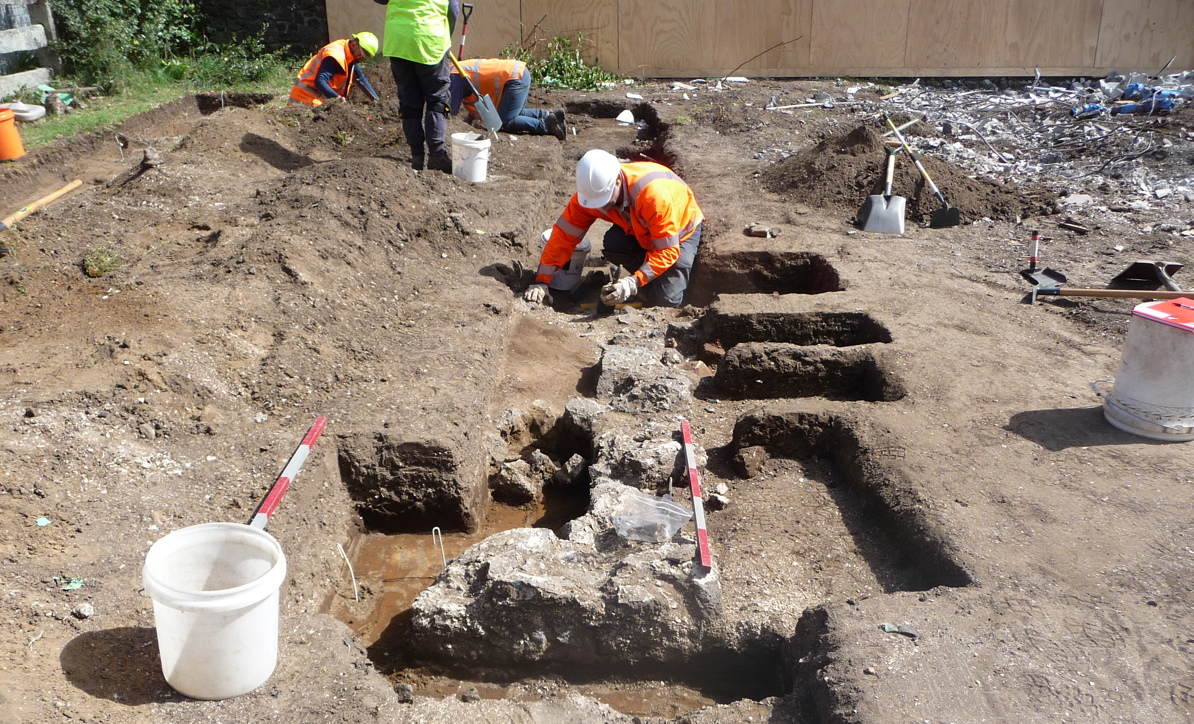
Edmonds Ruins are the remains of a stone cottage and
out-buildings built by John Edmonds and his family, who came to New Zealand in
1834 to work for the Church Missionary Society.
Edmonds was a stone mason
sent out to erect the Stone Store at the Kerikeri Mission Station. By the time
he arrived, the Stone Store was practically complete. He moved his family to the
five acres of land he had purchased near the Kerikeri inlet. The stone house was
built from about 1840 onwards using the basalt boulders occurring throughout the
area.
The first part of the house was a gabled shingled roof over two rooms,
two further rooms were added later with a separate gable roof with two dormer
windows. An annexe was built to the west of the house, and further west was a
small shed.
John Edmonds died in 1865, and members of his family continued
to live in the house and farm the property. The main house was destroyed by fire
in 1885 or 1886 and rendered uninhabitable. The annexe continued to be occupied
and Edmonds descendants lived on the site until the 1950s.
North Kaipara lighthouse was built to guide ships crossing
the bar at the mouth of the Kaipara Harbour. The lighthouse closed down in 1952,
and the area is now a historic reserve managed by the Trust.
The exterior
can be viewed at any time, with access from the beach.
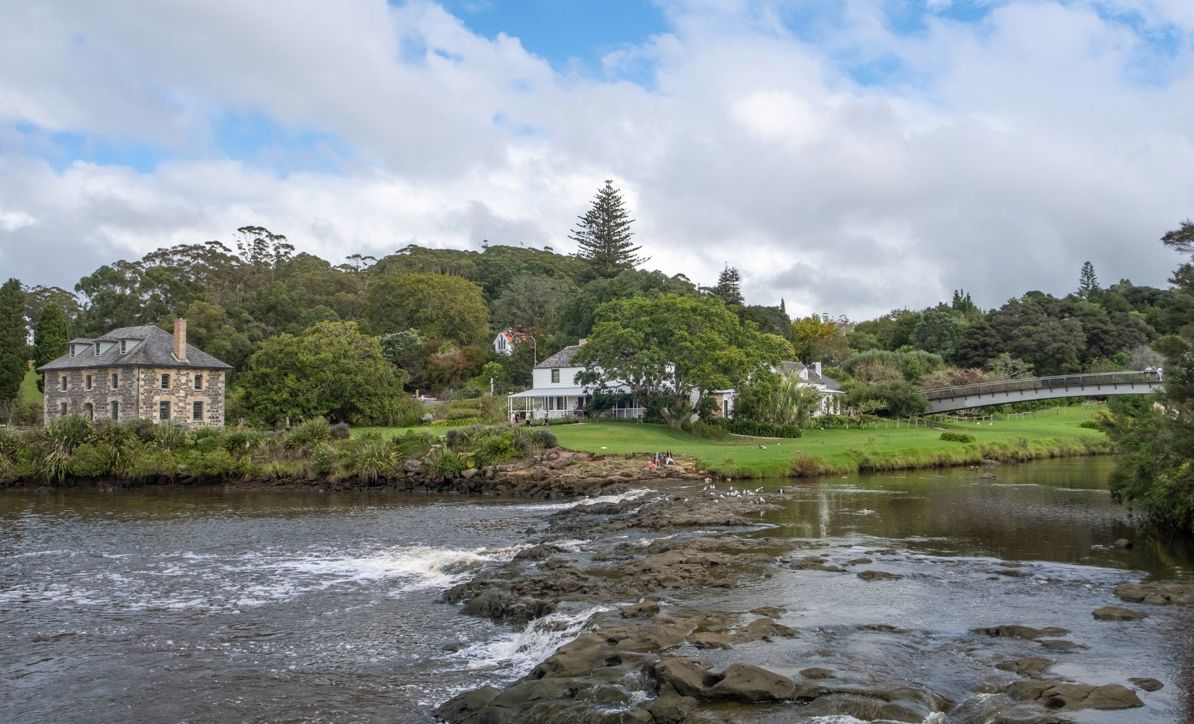
Sole survivor of the Musket Wars of the 1820s, the Mission
House is New Zealands oldest standing European building. Built to house
the Rev. John Butler in 1821-22, this simple but elegant wooden house was occupied
by the Clarke family from 1824-31, and then by James and Charlotte Kemp and their
descendants until 1974, when the house and most of its contents were presented
to the Historic Places Trust. The garden, first dug in 1820 and cultivated ever
since, recalls this mission period.
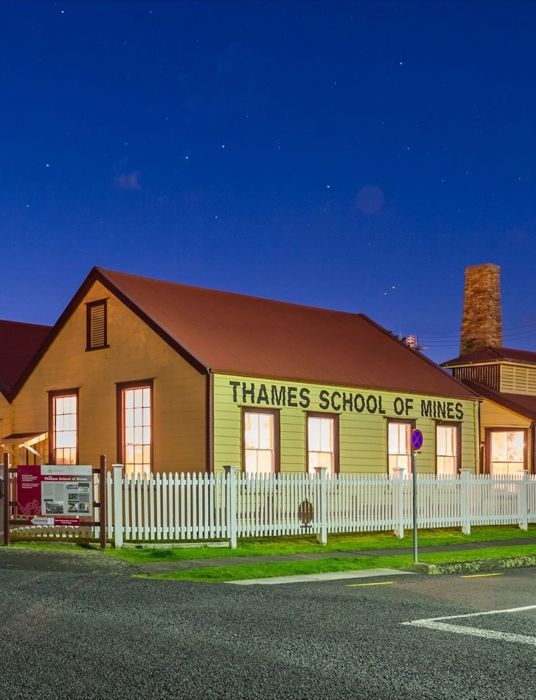
The Stone Store, New Zealands oldest standing
European stone building, was built in 1832-36. Designed by Wesleyan missionary
John Hobbs and built by an ex-convict stonemason from New South Wales, the Store
was meant to house New Zealand mission supplies and large quantities of wheat
from the mission farm at Te Waimate. When the wheat failed the building was mainly
leased as a kauri gum trading store. It then passed into Kemp family ownership,
and from 1929 onwards was used mainly as a general store. Bought by the Trust
in 1976, the building has undergone extensive conservation work.
The buildings
contain relics and displays of their own history and are notable as scarce examples
of Regency buildings in New Zealand.
Motukiore
Road, Hokianga Harbour (3km from Horeke)
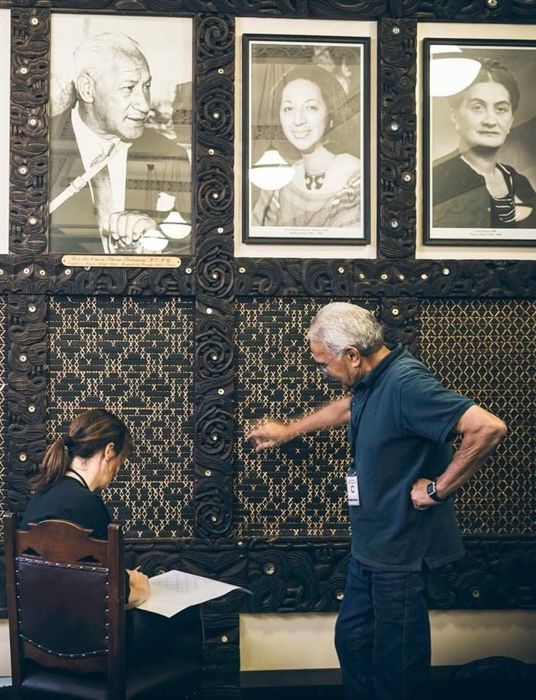
This Wesleyan mission house was built in 1838-9 overlooking
the Hokianga Harbour and an historic mission cemetery. It is famous as having
been the scene of the largest gathering to discuss and sign the Treaty of Waitangi
on 12 February 1840.
The house is furnished with missionary items, relics
of the days when nearby Horeke was a ship building yard, and a number of portraits
of missionaries and their main protector Patuone.
Open: Daily 12pm - 4pm
(26 Dec - 31 Jan); Sat, Sun 12pm - 4pm (Feb - Dec)
Overlooking the breathtaking Bay of Islands
and surrounded by an attractive turn of the century garden, Pompallier is New
Zealands oldest surviving Roman Catholic building.
Built in 1841-42
under the direction of architect Louis Perret, it was used as a printery, tannery
and storehouse for the French Marist mission in Kororareka (now known as Russell).
The buildings were sold in 1856 and continued as a tannery for a few years before
being altered to become a private home. Later bought by the State and opened to
the public, Pompallier has undergone extensive award-winning conservation work
and is now a working museum where past methods of tanning, printing and bookbinding
can be seen.
The only survivor of three mission houses built in 1832,
Te Waimate was first occupied by the Clarke family. Its peaceful pastoral surroundings
were once the busy scene of New Zealands first large English-style farm,
with wheat fields, a water mill, and blacksmiths shop as well as the chapel,
school rooms, houses and cottages, The house became the vicarage for the adjacent
church of St John the Baptist (1871).
The house is furnished with missionary
period furniture and early tools.
Open: Daily 10am - 5pm November -
April Saturday, Sunday, Monday, Wednesday 10am - 4pm May - October
The
regions of Tai Tokerau (Northland) offer contrast and variety - from scenic beauty
to adventure, culture and heritage. Enjoy the warm hospitality of Maori and cultural
tourism operators here. Find out more - visit the website
Colonial
Cures
Visitors
to the Kerikeri Mission House (Kemp House) often ask where the herb garden was,
assuming that herbs from the garden were commonly used for domestic medicine in
the early to mid 1800s. But ailing settlers turned for cures not so much to the
garden as to prepared powders and tinctures.
Explore the early history of Northland from a tall ship - a very
different but authentic experience from on-land.
In partnership with the R Tucker Thompson Sailing Trust,
NZHPT historians accompany each cruise providing a wide range of
fascinating stories and insights.
Four cruises in 2008 in April, May, September and October